How Environmental Conditions Affect System Performance
Air conditioning systems work hard behind the scenes to keep homes, offices and industrial spaces comfortable and operational. Yet many people only think about performance when cooling drops, energy bills rise or equipment suddenly stops working. In reality, environmental conditions can influence system performance long before visible problems appear.
Heat, humidity, dust and airborne contaminants all place additional pressure on air conditioning equipment. Over time, these conditions can affect airflow, electrical components, cooling efficiency and overall system reliability. That is why routine servicing and environmental planning play such an important role in long-term performance.
For businesses and property owners arranging air conditioning service on the Sunshine Coast, understanding how local conditions affect equipment can help reduce downtime, improve efficiency and support more reliable operation throughout the year.
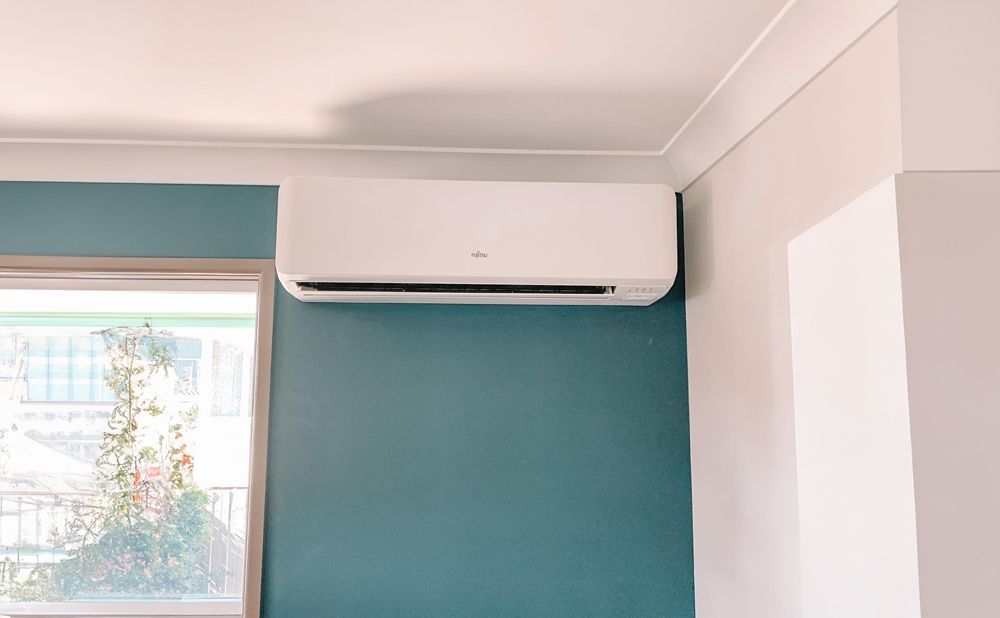
1. Extreme Heat Places Systems Under Pressure
Air conditioning systems naturally work harder during periods of high heat. As outdoor temperatures rise, equipment must operate longer and more intensely to maintain stable indoor conditions.
Extended operation during hot weather can increase strain on:
- Compressors
- Condensers
- Electrical components
- Refrigerant systems
- Fans & motors
When systems run continuously for long periods, wear and tear can accelerate, particularly if filters, coils or ventilation systems are already restricted. Commercial and industrial environments may feel these impacts more heavily because internal heat from machinery, lighting or equipment adds further pressure to the cooling system. Arranging an air conditioning service on the Sunshine Coast before summer can help identify issues that may worsen during extreme weather conditions.
2. Humidity Can Affect More Than Comfort
Humidity influences both indoor comfort and system performance. In coastal regions, moisture in the air can affect equipment internally as well as externally.
High humidity levels may contribute to:
- Corrosion on metal components
- Electrical faults
- Condensation issues
- Mould growth around ducting
- Reduced cooling efficiency
Air conditioning systems remove moisture from indoor air as part of the cooling process. When humidity levels remain consistently high, systems often need to work harder to maintain balanced indoor conditions.
This can lead to increased energy consumption and additional pressure on drainage components and evaporator coils. Property owners arranging an air conditioning service on the Sunshine Coast on a regular basis, can help identify moisture-related wear before it leads to more significant operational issues.
3. Dust & Debris Restrict Airflow
Dust, dirt and airborne debris gradually build up inside most air conditioning systems. While this may seem minor at first, restricted airflow can affect both efficiency and equipment lifespan.
Common areas affected include:
- Air filters
- Condenser coils
- Return vents
- Fans & motors
- Ducting systems
Blocked airflow forces systems to operate longer to achieve the same cooling result. This additional strain may increase energy use while reducing overall performance.
Industrial and commercial environments may experience faster dust accumulation due to nearby machinery, traffic or construction activity. Routine cleaning and inspections are often included during an air conditioning service on the Sunshine Coast to help keep airflow unrestricted and equipment operating more efficiently.
4. Salt Air Can Accelerate Corrosion
Coastal environments create unique challenges for air conditioning systems. Salt carried through the air can settle on outdoor units and exposed metal components over time.
This may contribute to:
- Rust formation
- Coil deterioration
- Corroded electrical terminals
- Reduced heat transfer efficiency
- Premature component wear
Even systems installed away from direct beachfront areas can still experience gradual salt exposure depending on local weather patterns and airflow. Protective coatings, suitable installation locations and regular cleaning can help reduce the impact of salt-related corrosion.
For many businesses arranging an air conditioning service on the Sunshine Coast, protecting outdoor equipment from coastal conditions becomes an important part of long-term asset management.
5. Poor Ventilation Can Reduce Efficiency
Air conditioning systems rely on adequate airflow around both indoor and outdoor components. Restricted ventilation can trap heat around equipment and reduce operating efficiency.
Ventilation issues may occur when:
- Outdoor units are surrounded by debris
- Storage items block airflow
- Plant growth restricts clearance
- Internal vents are obstructed
- Mechanical rooms become overheated
When warm air cannot circulate properly, systems may struggle to release heat effectively. This can increase operating temperatures and reduce cooling capacity.
Proper ventilation planning during installation helps create more stable operating conditions, particularly in commercial or industrial environments with higher cooling demands.
6. Environmental Conditions Influence Installation Decisions
Installation planning often extends beyond simply choosing a system size. Environmental conditions can affect where equipment is positioned, which materials are selected and how the system is protected over time.
Important installation considerations may include:
- Exposure to direct sunlight
- Coastal weather conditions
- Airflow around outdoor units
- Risk of flooding or stormwater exposure
- Access for servicing & maintenance
Weather-resistant materials and protective enclosures may also be used in some environments to reduce long-term wear. For larger facilities, environmental planning may influence the placement of ducting, ventilation systems and cooling zones throughout the building. An air conditioning service on the Sunshine Coast will often involve an assessment of environmental conditions during installation to help support long-term system reliability.
7. Preventative Maintenance Helps Identify Early Wear
Environmental wear often develops gradually. Small issues such as coil corrosion, airflow restrictions or loose electrical connections may not cause immediate breakdowns, but they can reduce efficiency over time. Preventative maintenance helps identify these problems before they escalate into more serious faults.
Routine servicing may involve:
- Filter cleaning or replacement
- Coil inspections
- Refrigerant pressure checks
- Electrical testing
- Drainage inspections
- Airflow assessments
Regular maintenance can also help reduce unexpected downtime, particularly in commercial settings where cooling systems operate continuously. Businesses arranging scheduled an air conditioning service on the Sunshine Coast may also benefit from improved energy performance and more predictable operating costs.
8. Long-Term Performance Depends on Environmental Awareness
Environmental conditions cannot always be controlled, but they can be managed more effectively when their impact is understood early. Heat, moisture, debris and ventilation challenges all influence how hard air conditioning systems need to work. Ignoring these factors may shorten equipment lifespan and increase repair frequency over time.
A more proactive approach may involve:
- Monitoring system performance regularly
- Cleaning outdoor units routinely
- Scheduling preventative servicing
- Improving airflow around equipment
- Replacing worn components before failure occurs
This becomes increasingly important for businesses and facilities where cooling reliability directly affects operations, staff comfort or equipment protection. Air conditioning service maintenance plans are often designed around these long-term environmental pressures rather than simply responding after breakdowns occur.
Environmental Conditions Affect Every System Differently
No two properties experience exactly the same environmental conditions. Coastal exposure, surrounding vegetation, industrial activity and building layout can all influence how quickly wear develops within an air conditioning system.
Residential homes may experience different challenges compared with warehouses, offices or manufacturing sites. Systems operating continuously in demanding environments generally require closer monitoring and more frequent servicing. Understanding these environmental impacts can help property owners make more informed decisions about maintenance schedules, upgrades and long-term equipment planning.
Arrange Reliable Air Conditioning Support
We at Davies Refrigeration & Air Conditioning provide installation, maintenance and repair services for residential, commercial and industrial cooling systems across the Sunshine Coast, where heat, humidity and coastal conditions can place extra strain on equipment throughout the year. Whether you need preventative maintenance, system inspections or support with long-term performance planning, our team can assist with air conditioning services on the Sunshine Coast.
Contact us today to discuss your system requirements and arrange a service booking.