What Determines Indoor Cooling Efficiency in Homes?
Two houses on the same street can feel worlds apart in summer. One stays cool and comfortable with barely a whisper from the air conditioner, while the other never quite shakes the heat no matter how hard the system works. The difference rarely comes down to luck. Everything from insulation to roof design shapes how well a home holds its cool, and understanding these factors helps you fix the real problem rather than just cranking the thermostat. A well-timed air conditioning service on the Sunshine Coast is part of the picture, but it's only one piece of a much bigger puzzle.
How Insulation Shapes Indoor Temperature
Insulation is the single biggest influence on how well a home resists heat. It works like a barrier, slowing the transfer of warmth from the hot outdoors into your living spaces. A home with poor or ageing insulation lets heat pour in through the ceiling and walls, forcing the cooling system to fight a losing battle all day.
Insulation performance depends heavily on:
- the type and thickness of material in your ceilings and walls.
- whether it has settled, gapped or degraded over time.
- how well it covers awkward areas like eaves and cavities.
Getting insulation right means your cooling stays inside where you want it.
The Impact of Windows & Glazing
Windows are one of the easiest paths for heat to enter a home. Large expanses of unshaded glass act like a greenhouse, trapping solar heat and driving indoor temperatures up fast. Their orientation matters just as much as their size, since west-facing glass copes with the harshest afternoon sun.
Window-related heat gain is influenced by:
- the direction each window faces and its exposure to sun.
- whether the glazing is single, double or specially coated.
- the presence of shading like awnings, blinds or tinting.
Managing glass and glare takes a heavy load off any cooling system.
Roof Design & Colour
The roof takes the full brunt of the sun for hours every day, so its design has an outsized effect on indoor comfort. A dark roof absorbs enormous amounts of heat, radiating it down into the ceiling space and eventually into your rooms. Lighter colours and reflective coatings send much of that heat straight back out.
Roof performance tends to hinge on:
- the colour and reflectivity of the roofing material.
- how well the roof cavity is ventilated to release trapped heat.
- the amount of insulation sitting between roof and ceiling.
A cooler roof cavity gives your whole home a head start against the heat.
Ventilation & Airflow Through the Home
Air that can't move becomes stale and hot. Good ventilation lets built-up heat escape and encourages cooler air to circulate, easing the burden on mechanical cooling. Homes designed with cross-flow ventilation in mind stay noticeably more comfortable, particularly during milder evenings when opening up beats running the system.
Effective airflow relies on:
- window and door placement that allows air to move through.
- roof and wall vents that let hot air escape naturally.
- clear internal pathways rather than boxed-in, sealed rooms.
Working with natural airflow reduces how hard your cooling has to work.
External Shading & Sun Exposure
What surrounds your home matters as much as what's inside it. A house baking in full sun all day faces a far tougher cooling challenge than one shaded by trees, eaves or neighbouring structures. Strategic shading can cut solar heat gain dramatically before it ever reaches your walls and windows.
Shading benefits are strongest when you have:
- mature trees positioned to block harsh afternoon sun.
- eaves and pergolas sized to shade windows in summer.
- external screens or awnings on the most exposed faces.
Blocking heat outside is always easier than removing it once it's indoors.
Why System Sizing & Airflow Matter
Even the best-built home struggles with the wrong cooling system. An undersized unit runs flat out and still can't keep up, while an oversized one cycles on and off without properly dehumidifying the air. Correct sizing, matched to the room and the home's characteristics, is the foundation of efficient cooling. Alongside this, a regular air conditioning service keeps that system performing the way it was designed to, rather than slowly losing capacity as filters clog and refrigerant drifts out of spec.
System performance comes down to:
- capacity correctly matched to the space it needs to cool.
- ductwork and vents that distribute air evenly across rooms.
- regular servicing that keeps the system running at full efficiency.
A properly sized and maintained system does more with less energy.
The Role of Regular Maintenance
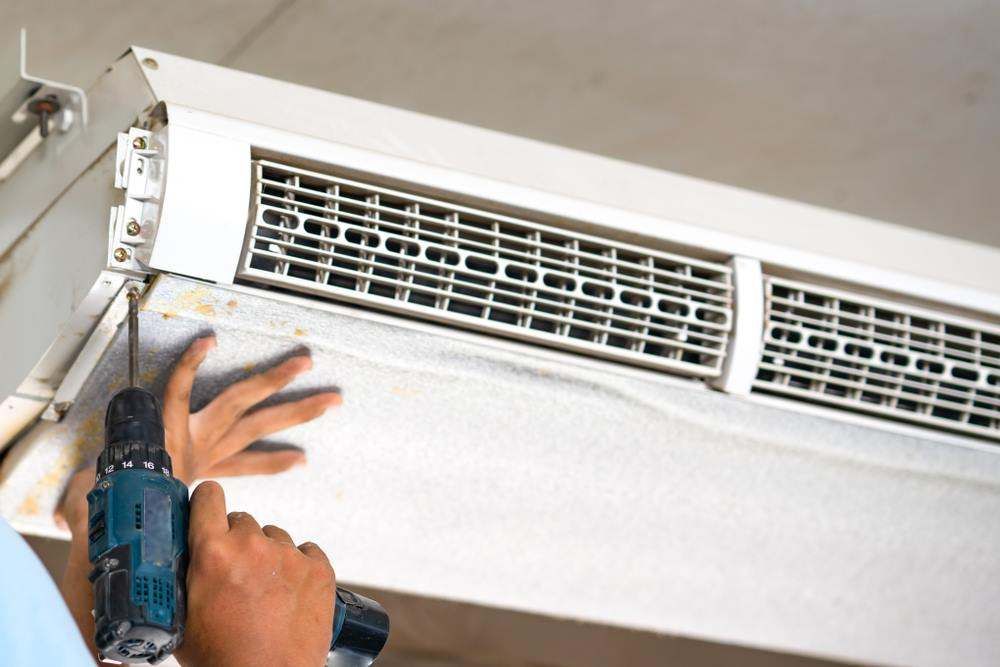
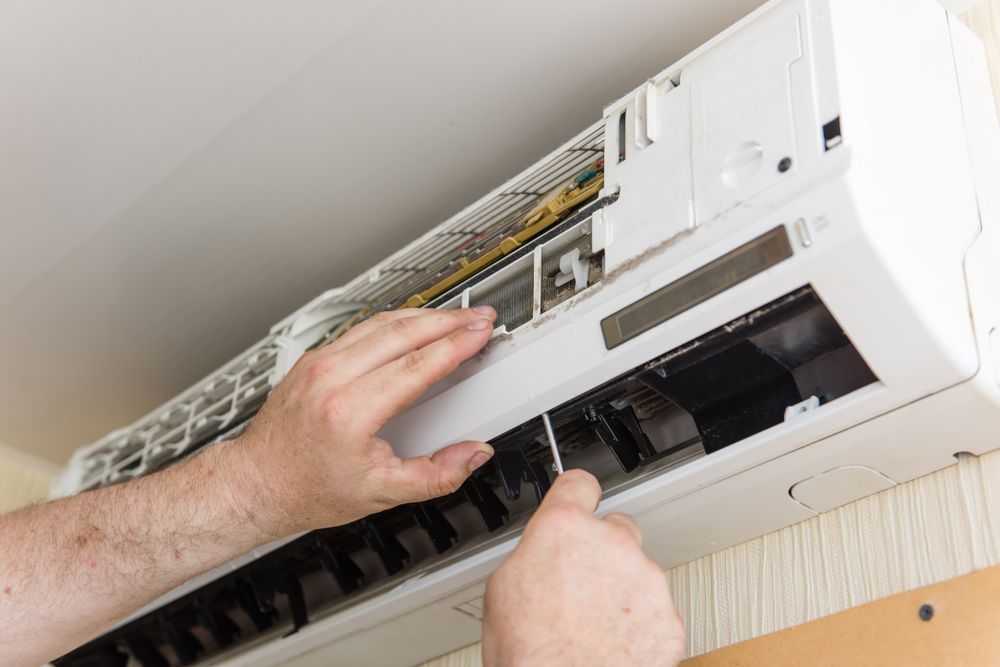
Cooling systems lose efficiency quietly over time. Dust builds up on filters and coils, airflow drops and the unit works harder for a worse result. Booking a regular air conditioning service on the Sunshine Coast reverses that slide, restoring capacity and catching small faults before they become expensive breakdowns in the middle of summer.
Routine servicing typically involves:
- cleaning or replacing filters to restore proper airflow.
- checking refrigerant levels and coil condition.
- inspecting electrical components and overall system health.
Consistent upkeep is the difference between a system that lasts and one that fails early.
Sealing Leaks & Improving Efficiency
Small gaps add up to big losses. Cool air escaping through unsealed gaps around doors, windows and ducts forces your system to replace it constantly, driving up energy use for no benefit. Sealing these leaks is one of the most cost-effective ways to improve comfort and lower running costs.
Common efficiency improvements include:
- sealing gaps around doors, windows and skirting boards.
- insulating and sealing ductwork running through hot roof spaces.
- addressing draughts that let conditioned air slip away.
Tightening up your home lets every dollar of cooling actually stay inside.
Getting Your Home Working With You, Not Against You
We at Davies Refrigeration & Air Conditioning understand that real comfort comes from the whole home working together, not just the unit on the wall. Across the Sunshine Coast, we've seen how the right system, correctly sized and properly maintained, transforms a home that once struggled through summer. Whether you need a professional air conditioning service on the Sunshine Coast, advice on improving your cooling efficiency or help choosing a system suited to your home, our team is ready to help. Get in touch with us today and we'll help you build a cooler, more efficient home that keeps your comfort up and your energy bills down.